
Blog CTA Best Practices: How to Convert Blog Readers Into Leads
Almost every business running a successful blog faces a familiar challenge: The site attracts plenty of visitors, but very few of them become leads. This common frustration leaves many marketers wondering what they are missing. After all, investing in content creation pays off only when that content plays a meaningful part in business growth. Addressing blog traffic not converting to leads requires more than just writing useful articles—it starts by understanding reader intent, using proven blog CTA best practises, and structuring posts for content conversion rate optimisation.
Understanding the Blog Traffic Conversion Gap
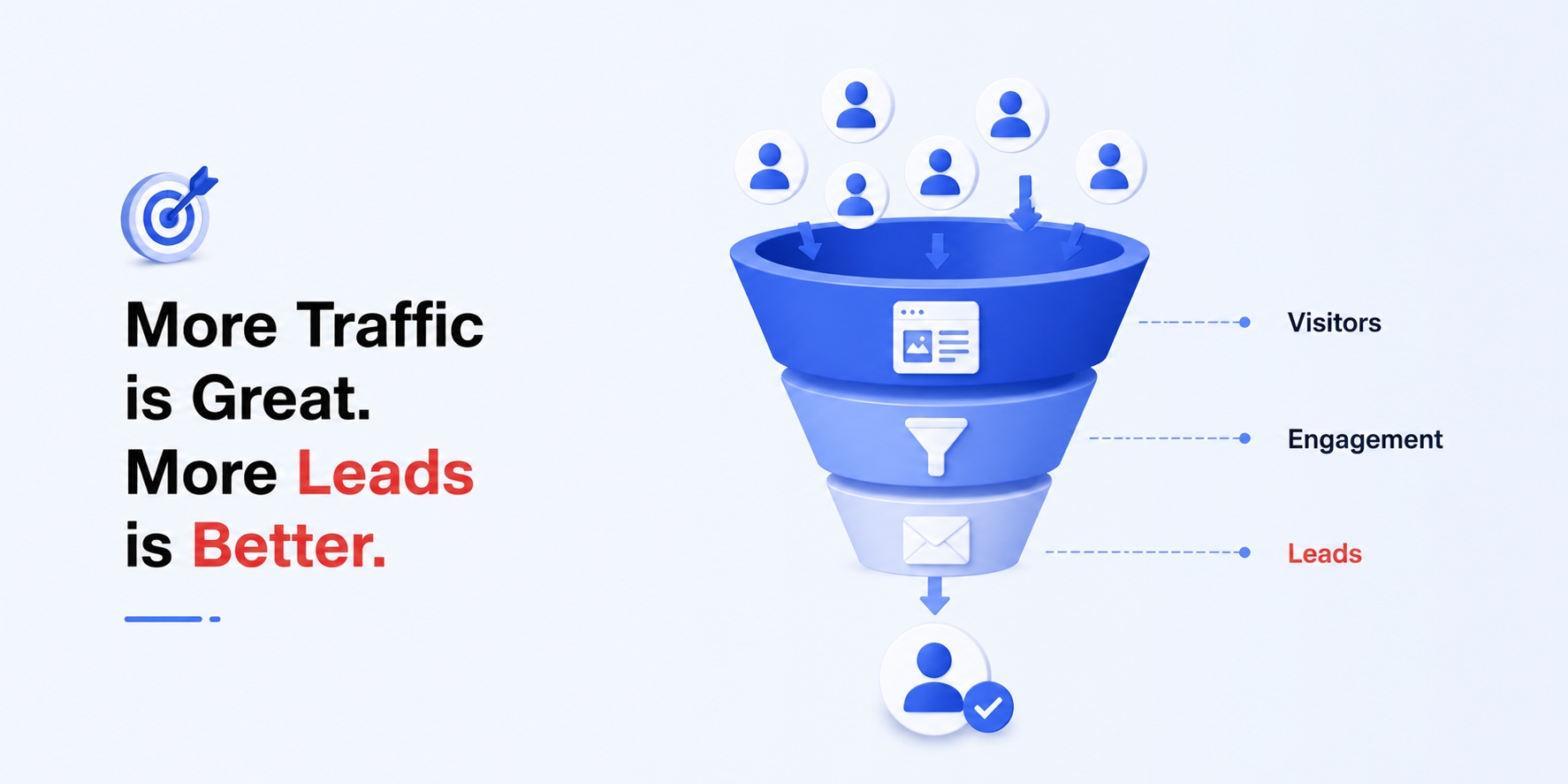
Most businesses see a spike in blog traffic after sustained publishing and distribution efforts. Yet, these numbers often give a false sense of progress if the goal is to acquire new sales opportunities. The underlying reason high blog traffic produces so few leads is typically structural. Blogs may lack clear calls to action, rely on banners ignored by frequent readers, or fail to align offers with the stage of the buyer’s journey. There is also a mismatch between the promise of the blog post and the next step presented to the reader, creating a disconnect in the content to lead funnel.
Average conversion rates for blog posts differ widely across industries. However, a reasonable expectation is a 1-3% conversion rate for lead capture blog posts that employ strong calls to action and are integrated into a marketing automation suite. This means every 100 visitors should yield one to three new contacts. If numbers fall short, it signals a need for refining both visitor targeting and CTA placement within articles.
Troubleshooting Blog Traffic Not Converting
Before optimising for leads, evaluate why traffic fails to convert. Start with the intent behind each source. Organic traffic drawn by informational searches may not have commercial intent yet, so soft CTAs may work better than aggressive asks. Next, audit posts for CTA visibility. Relying solely on banner CTAs at the end of the article is a common reason so many readers leave without taking action. Finally, assess alignment between blog content, call to action, and the offer’s value to readers at different stages of awareness.
Using an AI marketing operations platform or a marketing automation suite can help you track reader journeys across posts and highlight which steps cause the most drop-off. Leading platforms integrate analytics and workflow management, allowing insights on both the user’s path and when to make adjustments for content conversion rate optimisation. Always remember that what suits a top-of-funnel reader—such as a downloadable guide or invitation to subscribe—differs from what turns an engaged prospect into a lead ready for a sales conversation.
Structuring the Content to Lead Funnel
The transition from information seeker to qualified lead starts with designing a content to lead funnel that meets your audiences at each stage. The first step is understanding the role of the blog in your overall marketing strategy. Frequently, the blog sits at the top of the funnel, where visitors often have little familiarity with your solution. This context means CTAs should offer value before asking for too much commitment.
Inline CTAs, such as mid-paragraph links or embedded signup boxes, often outperform static end-of-post banners for lead generation. Recent research shows that inline text CTAs capture attention at the moment of peak engagement. Banner fatigue leads many regular readers to ignore anything that looks like an AD posted after the content. Inline CTA vs banner CTA tests repeatedly show that well-placed text or visual prompts embedded inside the body of the article offer higher conversion rates, especially when the CTA reflects the article’s core topic.
Blog CTA Best practises for High Conversion Rates
To convert blog readers into leads, adopt blog CTA best practises proven to improve blog conversion rate.
- Start with one clear goal per post. Each blog should have a purpose—either education or a measured conversion step, not every possible offer.
- Place CTAs both above and within content. Using a CTA in the opening paragraph sets expectations while mid-content CTAs align with points of highest engagement.
- Test inline CTA vs banner CTA options. Inline links within persuasive sentences consistently see more clicks compared to banners at the bottom.
- Keep CTA copy specific and actionable. Tell readers exactly what they gain, such as “Download the guide to get more leads” and avoid generic prompts.
- Match offers to reader intent. For top-of-funnel posts, entice visitors with free value—checklists, whitepapers, guides—rather than asking for high commitment.
- Integrate with a marketing automation suite. Automating your follow-up keeps new leads engaged and moves them naturally down the funnel.
- Use data from your AI marketing strategy to personalise CTAs. Reference reader interests or behaviours gathered from an AI marketing operations platform for relevant offers.
These elements together help create a high-performing campaign where converting readers is as systematised as attracting them.
Where to Place Calls to Action Inside an Article
The location of your CTA makes a dramatic difference to your conversion rate. Most marketers overestimate the attention readers pay to banners at the end. With declining attention spans, only a small percentage will reach a post’s final paragraph. That’s why inline text CTAs scattered throughout are so effective and are rated highly in blog CTA best practices.
A well-placed CTA between sections, or after a persuasive point, breaks up a lengthy post without distracting from the reading experience. A sign-up prompt or offer box three quarters of the way through often captures those who read seriously. Use an AI marketing strategy to segment readers and rotate the CTAs shown based on time on page or returning visitor status, using features from an AI marketing operations platform to automate and optimise placement.
Why Inline Text CTAs Outperform Banner CTAs
The debate of inline CTA vs banner CTA is well studied. Inline CTAs put your offer directly in front of the reader at relevant moments. Unlike banners, which risk being dismissed as ads or skipped entirely, inline prompts appear organic and harness the reader’s attention when engagement is still high.
Many brands report a two to threefold increase in conversions by moving to inline calls to action. Inline CTAs can appear as hyperlinked sentences, embedded sign-up forms, or small cards that don’t disrupt the flow of the article. A/B testing these placements within your marketing automation and reporting stack reveals not only what works but where. This aligns with content conversion rate optimisation goals and feeds learning back into your AI marketing strategy for further improvement.
Offering the Right Value for Top-of-Funnel Readers
Top-of-funnel visitors are usually searching for useful answers rather than brand endorsements. Offers need to be low friction and immediate in value. For lead capture blog posts, consider offering:
- Downloadable resources: Checklists, templates, or how-to guides related to post content
- Email mini-courses or toolkits that require only a simple sign-up
- Invitations to webinars or events relevant to the article topic
- Subtle “Book a Demo” prompts if contextually justified, especially for posts written for evaluation-stage traffic
Building this whole sequence inside a marketing automation suite ensures that every captured lead receives a tailored experience based on their actual reading path, improving the overall content to lead funnel performance.
The Role of Internal Links in Lead Generation
Internal links do more than help SEO. They guide visitors deeper into your site, exposing them to more valuable offers and facilitating the move along your strategy. Links from high-traffic articles to lead magnets, gated resources, or high-intent blog posts keep top-of-funnel visitors engaged and position them for later conversion steps.
This approach also helps decide which posts to optimise first for content conversion rate optimisation. Analyse your analytics to see which blog posts generate most organic traffic or have above-average engagement metrics. Prioritise these posts for improved CTA placement, offer matching and stronger internal linking. By focusing on pages with the most exposure, you ensure a higher return on your optimisation efforts with limited resources.
Using AI Marketing Operations Platforms to Optimise Lead Conversion
An AI marketing operations platform is invaluable for refining blog journeys. Such platforms bring together visitor analytics, content scoring and automated campaign workflows, helping you measure blog-sourced pipeline rather than blog traffic in isolation. With these insights, you can track which content to lead funnel stages generate not only form fills but qualified sales opportunities.
Integrating your blog with a marketing automation suite helps capture and nurture leads automatically. For instance, a visitor engaging with three or more relevant articles might trigger a personalised series pitching a “Book a Demo” offer or targeted resource. The continuous feedback loop built by this integration fuels ongoing improvements to your AI marketing strategy, transforming the blog from a traffic generator to a measurable source of pipeline and revenue.
Measuring Success: Pipeline vs Blog Traffic
Evaluating blog performance means moving beyond traffic. True impact covers how many leads, sales meetings, or revenue opportunities the blog generates. Effective use of content conversion rate optimisation looks at:
- Conversion rates for each lead capture blog post, segmented by traffic source and content type
- Lead qualification rates—how many blog leads progress to booked calls or demos
- Influence of internal linking on assisted conversions
- Performance of different CTA placements, especially inline CTA vs banner CTA analysis
- Improvements in multi-touch pipeline metrics after CTA and offer enhancements
These measures not only reveal which strategies work but also justify investment in further optimisation.
Practical Steps to Improve Blog Conversion Rate
Audit Existing Content for Conversion Opportunities
Begin by identifying blog posts that already pull significant traffic but lack any substantial call to action. Update these posts first, embedding both inline and banner CTAs, and ensure offers link smoothly with content topics. Incorporate key phrases such as “Book a Demo” as an option for readers further down the funnel.
Segment Offers for Different Reader Intents
Evaluate which readers are ready for deeper engagement and which require additional nurturing. Adjust offers and CTA positioning based on analytics insights gathered from your marketing automation tools. Use top-performing blog posts as templates for content conversion rate optimisation across the archive.
Test, Measure and Refine Continuously
Consistent testing separates average performers from remarkable ones. Experiment regularly with copy, placement, colour and offer structure, tracking how each variable affects lead generation. Use the data to power your next round of improvements, feeding the information back into your AI marketing strategy and automation suite. Always keep the end goal in sight: Converting engaged readers into measurable business growth.