
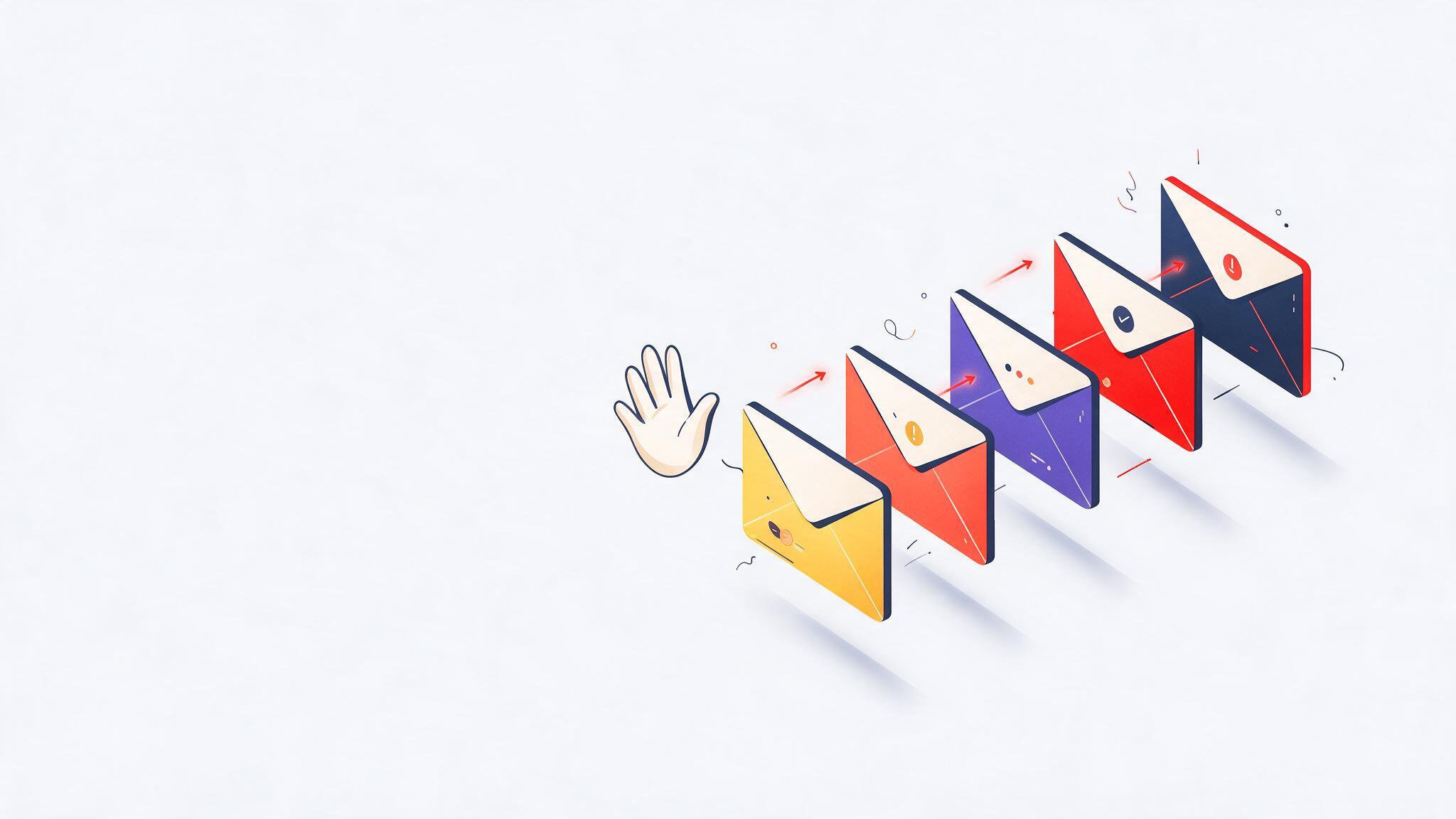
Optimising Your Welcome Email Sequence: What to Send in the First Five Messages
First impressions are influential in the world of email marketing. When someone joins your list, the first five messages you send shape their expectations and lay the groundwork for everything that follows. This initial welcome email sequence often decides whether a new subscriber continues opening future messages or disengages. By crafting a sequence that educates, guides and gently sells, marketers can boost subscriber engagement, improve conversion rates and establish a positive relationship from day one.
Why the Welcome Email Sequence Matters More Than Any Broadcast
The welcome email sequence holds a unique position in subscriber onboarding. Unlike regular broadcasts that land sporadically in your audience’s inbox, these first messages arrive when interest levels peak. Subscribers have just shown intent by signing up, meaning they are primed to engage. Research suggests that welcome email examples achieve higher open and click rates than any other campaign. These sequences not only deliver value up front but also set expectations for future emails, laying a strategic foundation for your ongoing marketing. By treating this series as more than just automated welcome emails, you connect marketing strategy with tangible results.
Capturing Attention Immediately
The first email after signup must capture attention and reinforce the subscriber’s choice. Marketing strategies that prioritise timely delivery and personalisation in this initial contact outperform generic responses. Automation through an AI marketing operations platform enables instant delivery, which is important for keeping interest warm. This welcome email sequence also provides an opportunity to share brand values and present solutions directly aligned with the subscriber’s needs.
Crafting the First Email After Signup: Purpose and Structure
The first message serves as an introduction and an affirmation. Its job is to thank the subscriber, confirm their signup and explain what they can expect. Including welcome email examples of strong personalisation—such as addressing subscribers by name or referencing their signup source—makes this first contact feel genuinely tailored. Marketers should consider including a clear overview of the content or benefits the subscriber will receive, which is a best practise in subscriber onboarding.
Setting Expectations Without Overwhelm
Manage expectations by being transparent. Explain how often subscribers will hear from you and what type of marketing strategy underpins the series. Use a conversational tone, highlight any incentives promised at signup (like discounts or educational resources) and let subscribers know how they can manage their preferences. This sets the stage for a trusting relationship and ensures the welcome email sequence stands out from generic automated welcome emails.
How Many Emails Belong in a Welcome Series?
Experts generally recommend a sequence of four to five emails over the span of one or two weeks. Sending emails too frequently leads to fatigue while leaving too much time between messages risks losing momentum. Carefully planned intervals encourage consistent engagement. A mix of immediate, day-two, day-four and day-seven emails fits the pattern for most brands. The timing can be fine-tuned with licencing and analytics built into an AI marketing strategy, enabling continuous optimisation of your onboarding email series.
What Goes in the Second to Fifth Emails?
Once the introduction is made, each subsequent message should provide increasing value while gradually transitioning subscribers from curiosity to action. Here’s a proven structure for your onboarding email series:
Email Two: Sharing Your Story and Social Proof
The second email deepens rapport. Share your brand story, mission or testimonials, and introduce the people behind the company. Including real customer experiences—an example of effective welcome email examples—builds trust and humanises your message. The second email can also invite engagement, asking new subscribers to connect on social channels or reply with their needs.
Email Three: Educating and Guiding
Education is paramount at this stage. Offer useful resources related to your core offering, such as blog articles, AI marketing strategy guides or video content. Show how your solutions solve common problems. Encourage interaction by prompting questions or feedback, which enables you to segment your audience for future email nurture sequences.
Email Four: Introducing Your Offer
The fourth email usually introduces your core product or service, blending information with a soft sell. Present the main benefits without pushing for immediate purchase. Use marketing automation to tailor offers by signup source, previous engagement or stated preferences. Inserting calls to action for demos, trials or downloads keeps pressure low while moving subscribers further through your marketing funnel.
Email Five: Driving a Measured Action
The fifth email closes the onboarding email series. This is the moment to offer a limited-time incentive or invitation. Whether it’s a special discount, access to implementation services through approved third parties or personalised recommendations, this call to action leverages the trust built in earlier messages. Automated welcome emails enable you to test multiple offers and identify which best drives conversions, feeding data back into your overall marketing strategy.
Personalising the Welcome Email Sequence by Signup Source
Personalisation extends beyond just using first names. Segment your subscriber onboarding process by entry point—whether from social media, an AI marketing operations platform, in-person events or referral schemes. Tailor the welcome email sequence with content or offers especially relevant to those contexts for greater engagement. Email sequence best practises call for dynamic content blocks that adjust messaging based on subscriber data, ensuring every message feels purpose-built.
Leveraging AI and Automation for Tailored Experiences
Implementing personalisation at scale requires robust marketing automation. Modern platforms enable the use of data to populate welcome email examples that reflect user behaviour, preferences or previously expressed intent. This approach leads to higher open and click-through rates, proving the value of AI marketing strategy in subscriber onboarding campaigns.
Measuring Success: What to Track in Your Onboarding Email Series
Regular reporting helps marketers understand if the welcome email sequence is genuinely effective. Key metrics include open rates, click-through rates, conversion rates and unsubscribe rates. Benchmarking these results against industry standards or your own previous campaigns provides insight into areas for improvement. By integrating analysis tools found in an AI marketing operations platform, you gain a comprehensive view of what works in your automated welcome emails and welcome email examples.
Tracking Engagement Over Time
Pay special attention to how engagement changes from the first email after signup through to the fifth. A sharp drop may indicate that messaging needs adjustment. Split-testing subject lines, calls-to-action and content blocks can refine your approach. Additionally, measuring replies and qualitative feedback gives a fuller picture of how well your subscriber onboarding process resonates with your audience.
Timing and Frequency: Optimising the Cadence of Your Welcome Email Sequence
Timing influences the entire onboarding experience. Automated welcome emails should reach the inbox as soon as a signup occurs. Following emails should arrive based on behavioural triggers or at consistent intervals to keep engagement steady. Email sequence best practices suggest balancing promptness with respect for your subscriber’s inbox. Too many messages can overwhelm while too few make your business appear inattentive. By leveraging AI-powered platforms, you can monitor the effectiveness of each send and adjust schedules in real-time.
Balancing Value and Promotion
Gradually increasing the value of each email before introducing any selling leads to better overall results in the onboarding email series. The first messages educate, build trust and gather information, while later ones encourage action. By aligning your approach with an AI marketing strategy and using marketing automation, you provide a seamless, personalised journey that meets both subscriber and business goals.
Using Welcome Email Examples to Inspire Your Sequence
Looking at welcome email examples from other marketers can inspire your own sequence. Review notable campaigns within your sector and identify what stands out—personalisation, clarity, creative design or unique calls-to-action. Adapt those elements to fit your tone, audience and marketing strategies. By learning from best-in-class sequences, you position your entire subscriber onboarding process for long-term engagement and higher ROI.