
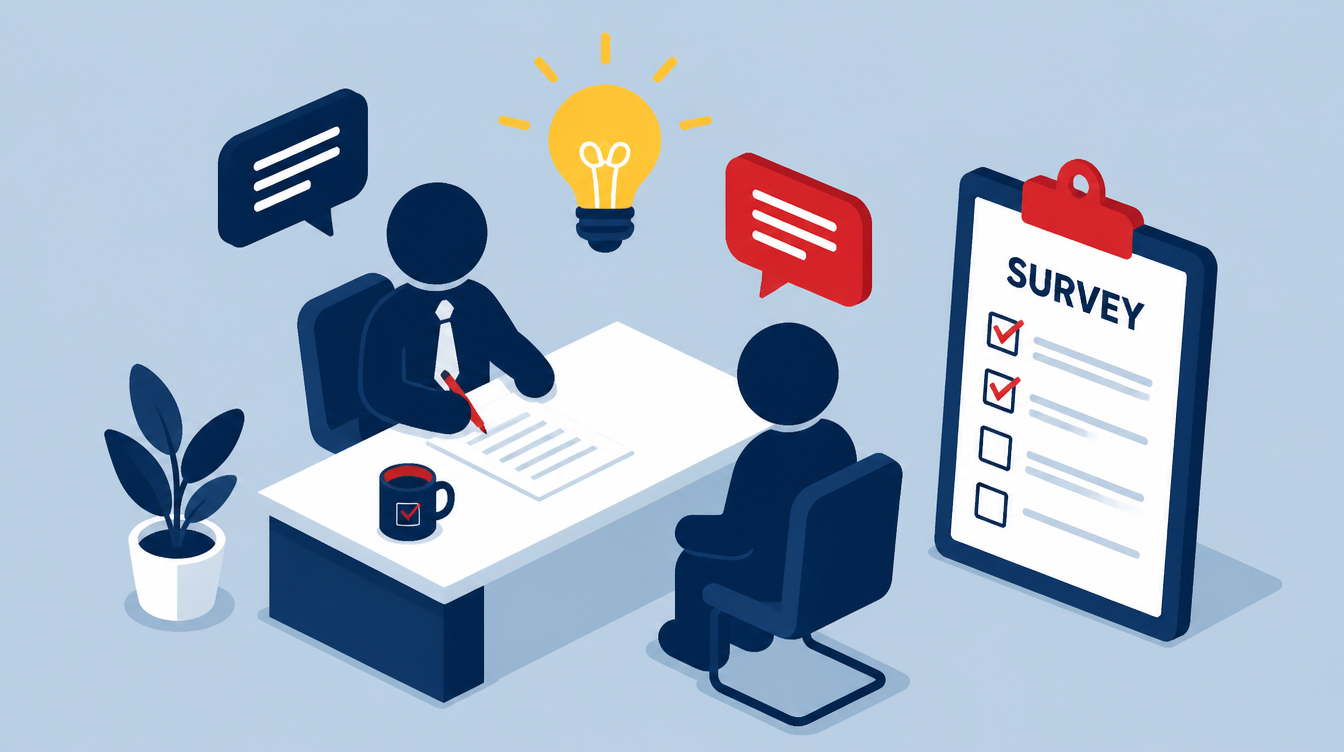
Voice of Customer Research: How to Actually Talk to Your Buyers
Understanding buyers remains essential for every thriving business. Yet, far too often, companies pursue marketing strategies filled with assumptions rather than facts. Voice of customer research offers an actionable solution for making messaging, personas and positioning accurate, not guessed. This approach anchors every marketing strategy, campaign and content decision in reality. With AI marketing operations platforms now mainstream, it has never been simpler to gather insight, generate personas or test new ideas — provided you know the right way to speak to your buyers.
What is Voice of Customer Research and Why Does It Matter?
Voice of customer research is the systematic process of gathering and analysing direct feedback from existing, former or potential buyers. The aim is not only to hear what customers say, but also to reveal unspoken needs and genuine motivations. High-performing marketing strategies rely on this evidence, rather than intuition or market trends alone. Investing in an ongoing voice of customer programme eliminates wasted budget spent on disconnected marketing tactics and ensures every campaign addresses true buyer preferences and pain points.
The Importance of Customer Research Methods in Shaping Marketing Approaches
Choosing the right customer research methods is vital. Well-structured jobs to be done interviews, customer survey questions and win loss analysis all offer unique insights for developing an effective AI marketing strategy or testing message resonance. Sustainable growth in competitive markets requires input that brings strategy, implementation and reporting together. With the right methods, data does not sit in a silo but powers better creative, smarter marketing automation and more consistent results.
Customer Research Methods: Approaches that Produce Insights
Businesses use several customer research methods to capture the authentic voice of the buyer. Each method yields different strengths and is best suited for complementary questions. For customer survey questions, the goal is breadth of input over limited depth. Surveys can range from quick pulse cheques after product usage to annual brand sentiment studies. However, constructing these surveys demands care—poorly framed or leading questions often bias results. Open-ended, neutral phrasing leads the way for responses that surface actionable detail for your marketing strategies and AI marketing operations platform.
How to Use Jobs to Be Done Interviews
Jobs to be done interviews explore the progress customers seek when hiring your product or service. The interviewer probes why buyers sought a solution, what obstacles they faced, and what successful outcomes looked like. These sessions inform positioning, differentiation, and content strategy for both established and emerging offers. Running 8-12 jobs to be done interviews typically provides enough overlap to reveal core jobs, pain points and triggers that matter most, supporting both strategic planning and execution.
How to Interview Customers for Meaningful Insights
When considering how to interview customers, preparation matters as much as the questions themselves. Recruitment begins by targeting recent buyers, long-standing clients, new prospects or even lost leads. Email invitations with transparent intent, value exchange and privacy details encourage participation. Interview lengths vary, though 30-45 minutes yields depth without call fatigue. Using AI marketing strategy tools can help structure, record or even transcribe interviews, making feedback instantly actionable in your marketing automation processes.
Which Questions Actually Reveal Useful Information?
Customer interview questions must prompt reflection, not just affirmation. Key questions might involve, “What problem were you hoping to solve when you started looking?” or “Can you tell me about a moment when you nearly decided against buying?” Avoid yes/no phrasing in favour of “Can you describe…” or “How did you feel when…” For more robust outputs, combine these with customer survey questions that quantitatively validate what the interviews surface. This reinforces themes for strategy, licencing and AI marketing operations platforms.
How Many Interviews Are Enough?
The number of interviews depends on goals, segment size and resource constraints. While one or two conversations are better than none, effective customer research methods recommend between 8 and 15 interviews per key persona. This range allows for repetition of themes and identification of surprising outliers. Ongoing voice of customer programmes often schedule monthly or quarterly interview waves, ensuring continually updated insight for marketing strategy and message testing.
Best practises for Turning Transcripts Into Personas and Messaging
Interview transcripts serve as raw gold for marketing strategies, shifting abstract ideas into concrete messaging and persona profiles. Start by coding transcripts for recurring words, analogies and complaints. Group insights by “job,” “pain point,” and “desired outcome.” Automated AI marketing operations platforms help cluster responses and suggest persona attributes, blending human inference with scalable analysis. Revisiting personas annually, or after major launches, keeps messaging current and aligned with what buyers are feeling and seeking.
Win Loss Analysis: Uncovering the Reasons Behind Purchase Decisions
Win loss analysis focuses on why deals closed or collapsed, providing essential input for sales enablement and campaign direction. Conduct these analysis interviews soon after decisions, targeting both new customers and those who walked away. Structure the call to explore evaluation criteria, alternative options considered, and what influenced final decisions. Running three or more win loss analysis interviews per quarter, per segment, is recommended for most voice of customer programmes. These sessions reveal process gaps, perceived weaknesses and message resonance, all of which inform strategy or modification on your AI marketing operations platform.
The Difference Made by a Structured Voice of Customer Program
Implementing a structured voice of customer programme replaces one-off, AD hoc efforts with consistent, repeatable learning cycles. With licencing of scalable tools, it becomes feasible even for small teams to run weekly interviews, regular surveys and ongoing analysis. Programmes with clear objectives produce more reliable data, reduce bias and inform better message testing for upcoming initiatives.
Designing and Delivering Better Customer Surveys
Customer surveys should never lead the answer. Use simple language, balanced scales, and open-text fields for honest perspectives. Time the distribution after significant milestones, such as product adoption or renewal, to maximise response relevance. When designing customer survey questions, avoid assumptions about satisfaction or feature use. Focus instead on outcome-based feedback and practical improvement opportunities. Process survey findings through your AI marketing strategy tool to update personas and drive content priorities.
Using Technology, licencing and Implementation Services for Research
Modern research leverages technology to automate, consolidate and scale insight generation. Licencing an AI marketing strategy or operations platform enables centralisation of voice of customer activities—housing interviews, survey findings and win loss analysis in one accessible workspace. Many businesses engage approved third parties to conduct independent research for objectivity and benchmarking. Platforms now integrate transcript import, auto-tagging, reporting and action tracking to accelerate the journey from insight to execution. Implementation services offer onboarding for companies new to formal research, ensuring best methods and data security standards are in place from day one.
Continual Learning: How Often Should Voice of Customer Research Happen?
Stale insights undermine marketing strategy effectiveness. Voice of customer programmes should operate on a living schedule. Monthly or quarterly updates for key personas, coupled with annual wide-reaching customer survey questions, keep every team aligned. When considering frequency, factor in product cycles, seasonality and market events that may shift perceptions. Fresh interviews after each major campaign or product launch yield actionable lessons for future planning. AI marketing operations platforms automate reminders, store strategic findings and refresh messaging so businesses keep pace with changing needs.
Making Voice of Customer Research a Growth Habit
Embedding voice of customer research within daily operations transforms how businesses build, test and market their offerings. Teams using structured programmes, modern customer research methods, and integrated technology outperform those stuck guessing from the boardroom. By systematically seeking authentic feedback, refining personas and continually allocating resources to proven strategies, firms eliminate guesswork and drive commercial results with precision. Using AI marketing operations platforms and expert implementation services, any business, regardless of size, can establish a voice of customer programme that supports sustainable, evidence-based growth without inflated overheads.