
Marketing Attribution Models Explained: First-Touch, Last-Touch and Everything Between
Understanding which of your marketing activities drive revenue is now as important as the channels you choose. The world of marketing attribution models shapes how organisations measure campaign performance, assign value to each customer touchpoint and decide where to invest for growth. Whether your business uses an AI marketing operations platform, relies on licencing models or leverages implementation services through approved third parties, attribution choices impact marketing strategy, reporting and every budget decision.
What is Marketing Attribution and Why Does it Matter?
Marketing attribution refers to the process used to determine which marketing strategies, events or channels influence a customer’s decision to convert. The range of marketing attribution models available today helps businesses answer the question, “What deserves the credit for this sale?” This influences how you allocate marketing budgets, set targets with your AI marketing strategy and show ROI on your campaigns. Without the right attribution model, it is possible your team could rely too heavily on metrics that favour one part of the customer journey, missing out on the true value of other marketing activities.
First-Touch vs Last-Touch Attribution: Where Credit Begins and Ends
One of the first decisions marketing teams face is whether to credit the first or last interaction along the customer journey. The “first-touch” model assigns full credit to the initial interaction, regardless of all later activities. In contrast, “last-touch” or “last-click” attribution places the value on whichever channel delivered the final conversion event.
The debate around first touch vs last touch attribution highlights a major pitfall. While both models are easy to understand, both introduce bias. First-touch often exaggerates the impact of early awareness channels, such as a social AD or blog post. Last-touch, which most teams use by default in platforms like Google Analytics, silently downgrades the true influence of every step a lead takes before they actually convert. This means campaigns or channels contributing to awareness or nurturing may appear undervalued, even if they are essential to driving growth.
The Rise of Multi-Touch Attribution
As buying journeys become more complex, especially within B2B environments, multi-touch attribution now gains attention. This model allocates portions of the credit to more than one touchpoint. Marketers using an AI marketing strategy or sophisticated AI marketing operations platform can distribute credit to several marketing strategies, properly reflecting each channel’s true contribution to a conversion.
Compared with single-touch methodologies, multi-touch attribution models can show how email, organic search, paid ads or offline touchpoints work together. This type often provides new clarity for team leaders looking to move away from knee-jerk budget decisions towards more data-supported planning. It proves particularly vital when choosing an attribution model for campaigns that require regular nurturing or operate across long sales cycles.
Attribution Modelling Explained: What Are Your Options?
Beyond first-touch, last-touch and multi-touch, marketers can select from several established attribution model types. Each helps answer specific business questions and provides its own strengths and drawbacks. Let’s look at the most prevalent:
Single-Touch Attribution: First-Touch and Last-Touch
Single-touch models are the simplest, offering a clear answer but a limited view. First-touch models highlight the value of top-of-funnel activities. Last-touch models focus exclusively on what tipped the customer into action. Many teams using only marketing automation platforms default to last-click, overlooking the layered reality of customer journeys.
Multi-Touch Attribution: Linear, Time Decay and Position Based Attribution
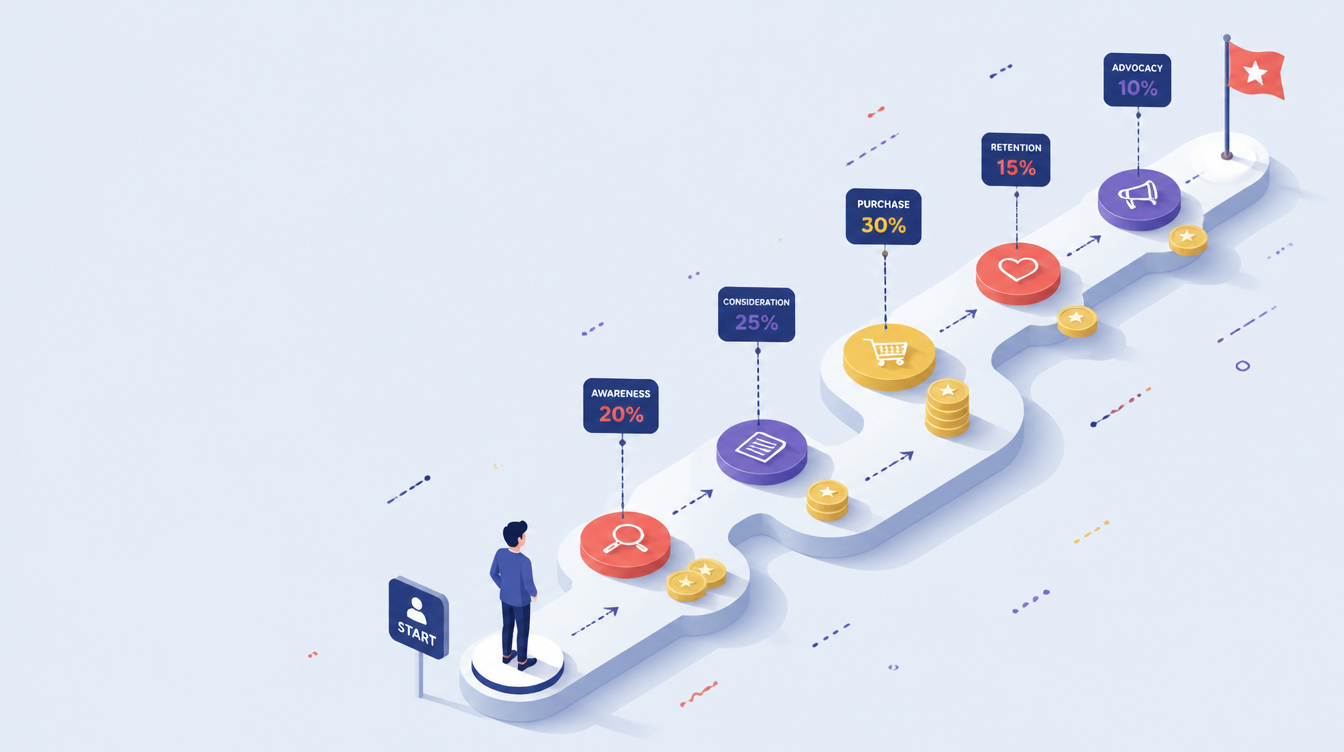
Multi-touch attribution models distribute credit more evenly. Linear attribution divides value across all identified touchpoints in the journey. Time decay models give increased credit as the customer moves closer to converting. Position based attribution (or U-shaped attribution) assigns a set percentage to the first and last interaction, then distributes the balance among the touches in between. This helps marketing teams see which channels push prospects over the line while still rewarding nurture and awareness activities. Position based attribution is especially meaningful in B2B marketing attribution models where several contacts may engage with multiple assets and sales resources before making a purchasing decision.
Data-Driven Attribution and the Role of GA4
With advancements in analytics tools and data science, data-driven attribution models are now prominent. Unlike rule-based approaches, these models use machine learning to analyse actual customer journeys and assign proportional value to all touches. Data-driven attribution GA4 (Google Analytics 4) represents the next generation of attribution, promising algorithmic allocation based on a brand’s unique mix of customer behaviour. This approach can adapt to changes in campaign mix, sales cycles or marketing automation workflows over time.
However, data-driven attribution’s value depends on the quality and completeness of your underlying data. Gaps in tracking, offline conversions or emerging “dark social” touchpoints may mean you are still missing key conversion influences. This creates challenges for teams using AI marketing strategy or licensing-based models, who must ensure integrated data sources to trust their performance reporting fully. GA4 today offers multi-channel data-driven attribution out-of-the-box, but setup and calibration matter. Understanding your funnel structure, web tagging and data mapping remains essential to avoid misinterpreted results.
Choosing an Attribution Model: What to Consider
Choosing an attribution model requires a blend of strategic alignment, technical capability and commercial context. Start with your sales cycle length – short-buy funnels sometimes benefit from simple first or last-touch approaches, while longer B2B sales cycles almost always need position based attribution or bespoke multi-touch frameworks. Factor in what you can track, what you can’t (such as offline events or verbal referrals) and the level of complexity your team can manage using an AI marketing operations platform or marketing automation.
Budget allocation also depends on your attribution approach. If leadership only sees ROI from last-touch metrics, they may overlook the proven value of earlier or supporting channels and shift budget away from foundational marketing strategies. Before deciding, test your models. Compare channel performance across several attribution frameworks to avoid misreading your funnel and making short-sighted decisions. Always factor in how your attributed value links back to your larger AI marketing strategy.
Marketing Attribution Models for B2B: Special Considerations
Marketing attribution B2B requires special attention. Complex decision-making, long buying cycles and multiple stakeholders mean first-touch or last-touch will often misrepresent reality. Position based attribution offers a better fit – it respects that the first outreach (such as a webinar or a targeted email) and the closing content (like a detailed proposal or demo) both carry substantial weight. At the same time, the model lets nurturing activities share in the credit.
B2B use cases often rely on an AI marketing operations platform designed for seamless handoffs between teams and for flexible attribution reporting. Licencing this technology can standardise processes across multiple departments or regions, ensuring everyone works from a shared picture of marketing performance. Implementation services through approved third parties also help configure attribution models, especially when existing systems span several data sources or channels.
The Limitations: Offline and Dark Social Touches
Not every touchpoint is visible to your analytics platform. Offline activity — like trade shows, phone calls or printed collateral — often escapes standard tracking. “Dark social” refers to private or semi-private online communication channels such as direct messages or Slack conversations where prospects pass along marketing assets or recommendations. These touches influence buying behaviour but may never appear directly in your digital attribution models.
Effective marketing attribution models, especially when supported by an AI marketing strategy, recognise these blind spots and supplement analytics with regular qualitative feedback from sales or customer teams. This is particularly important in B2B, where individual relationships and conversations hold significant sway. Consider how your chosen attribution model fits into broader marketing strategy development by documenting key moments outside digital tracking to get the full picture of your impact.
Using Attribution for Smarter Budget Decisions
A strong attribution plan directly influences budget decisions. When marketing leaders trust their attribution model, they can shift spend to the highest-performing channels. This ensures your marketing strategies align with revenue targets, resource allocation is defensible and reporting to stakeholders is based on transparent data. By leveraging advanced attribution within an AI marketing operations platform, teams standardise their measurement approach, automate reporting workflows and continually optimise spend based on real world results.
This capability enables marketing teams to respond confidently to questions about effective use of funds, justify requests for increased budget or resources and align with overall commercial targets. Whether using licencing agreements to roll out robust attribution frameworks across markets or working with implementation services through approved third parties, the right tooling and mindset create a foundation for marketing performance that stands up to scrutiny from executives and finance teams alike.
Trends in Attribution: Looking Ahead
The world of marketing attribution models does not stand still. As artificial intelligence, privacy shifts and multi-channel journeys become more complex, marketers must continually adapt their attribution frameworks. Embracing new models — such as data-driven attribution GA4 or next-generation position based attribution — supports smarter, more accountable marketing strategies. For teams using an AI marketing strategy as their foundation, attribution modelling explained correctly will always enable better decision-making, stronger campaign performance and more sustainable growth.