
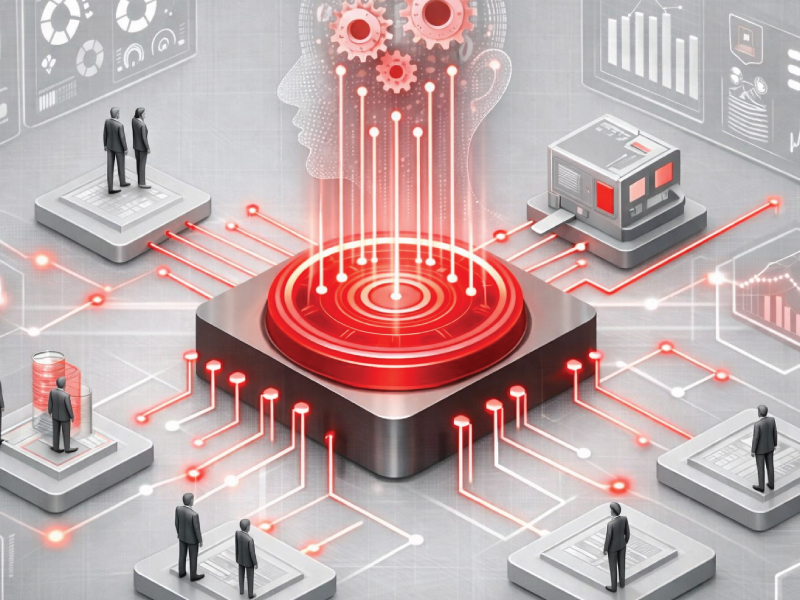
AI in marketing operations: streamlining processes for greater efficiency
Marketing teams face constant pressure to do more with less. Budgets stay tight yet expectations for personalization, speed and measurable results keep rising. Many teams still rely on scattered spreadsheets, manual reports and guesswork when planning campaigns. This creates stress, limits creativity and leaves performance gains on the table. Artificial intelligence offers a practical path to transform marketing operations, not with hype but with smarter workflows that support people.
Why marketing operations need a new approach
Most organizations built their marketing tech stacks piece by piece. One platform manages email, another handles social and a third tracks analytics. Teams then add spreadsheets, shared drives and project tools on top. This patchwork creates gaps where data gets lost or misaligned. It also makes simple questions hard to answer, like which campaign truly moved pipeline last quarter.
As channels multiply, marketers must coordinate content, audiences and budgets across many touchpoints. Without structured processes, work slows down and quality suffers. Teams spend more time chasing information than improving customer experiences. The result is long approval cycles, inconsistent messaging and reporting that arrives too late to guide decisions. AI in marketing operations targets exactly these bottlenecks.
Instead of replacing marketers, AI supports them with faster insight and consistent execution. It helps connect strategy to activities and activities to outcomes. When teams combine thoughtful process design with smart tools, they gain both control and agility. This shift frees marketers from repetitive tasks so they can focus on creative ideas, customer understanding and cross functional collaboration.
From chaos to clarity with an AI marketing strategy
Many operational issues start with unclear direction. Teams jump into campaigns before they define a clear AI Marketing Strategy that aligns with business objectives. AI can support strategy design by analyzing markets, competitors and historical performance. A strong AI marketing strategy provides a shared blueprint for channels, content and budgets. It also clarifies who owns which outcomes across sales and marketing.
Using a marketing strategy generator, teams can move from blank slides to structured plans in minutes. These tools draw on large data sets and proven frameworks. They help marketers compare their budgets and tactics with top performers in their category. This benchmark view guides smarter decisions about where to focus resources. Teams then translate the strategy into a 12 month roadmap that anchors daily execution.
An AI marketing operations platform can keep that roadmap alive. As campaigns run, the system compares real performance with planned targets. It flags underperforming programs early and surfaces alternative tactics. Marketers no longer need to rebuild strategies from scratch every quarter. Instead they refine and adapt with continuous input from data. This ongoing loop keeps operations aligned with goals rather than reactive.
Marketing Audit as the foundation for improvement
Before automating anything, organizations need a clear view of current performance. A structured Marketing Audit plays that role. This review assesses channels, content quality, audience segments and technology usage. It also examines operational factors like approval flows, briefing quality and handoffs between teams. Without this baseline, leaders risk automating inefficient processes at scale.
AI tools can accelerate a Marketing Audit by scanning campaigns and content libraries. They identify gaps in targeting, inconsistent messaging and underused assets. The audit can also compare spend and return across channels. This reveals where teams overinvest in low impact activities. Insights from the audit then feed into the AI Marketing Strategy and operational redesign.
When organizations repeat a Marketing Audit periodically, they track progress over time. Trends in lead quality, conversion rates and content performance show where process changes work. This creates a culture of evidence based improvement rather than one off fixes. AI supports this rhythm by standardizing metrics and surfacing anomalies for human review.
From plan to action with Marketing Execution Services
Even the strongest strategy fails without reliable execution. Many teams struggle to turn plans into coordinated campaigns across email, social and web. Marketing Execution Services supported by AI can bridge that gap. These services combine human expertise with automated workflows that speed up delivery. For example, AI can generate first drafts of blogs or social posts aligned to campaign themes.
Marketing automation tools then schedule and publish content at optimal times. Integration with CRM systems ensures that leads from campaigns flow quickly to sales teams. Execution services can also manage routine tasks like setting up landing pages or tagging assets. This reduces the operational burden on in house marketers who can then focus on higher value work. Quality control stays with humans but the heavy lifting shifts to technology.
For smaller organizations, external Marketing Execution Services enable enterprise level discipline without large headcount. Teams get consistent processes, standardized templates and reporting out of the box. At the same time, they can keep control of brand voice and strategic choices. The key is designing collaboration models where AI and specialists complement internal capabilities rather than override them.
AI Marketing Automation Consultancy and process redesign
Implementing new tools rarely solves problems on its own. Many marketing automation projects underperform because processes stay fragmented. AI Marketing Automation Consultancy helps organizations rethink workflows from end to end. Consultants map how ideas move from brief to campaign and from campaign to revenue. They identify where handoffs fail, where approvals stall and where data gets lost.
With that map in place, AI can support new process designs. For example, standardized intake forms can capture requirements in a structured way. Intelligent routing rules then direct work to the right teams or systems. AI assistants can pre populate campaign setups based on previous efforts with similar goals. This reduces manual configuration and ensures best practices spread quickly.
Consultancy also helps with change management. Training plans, communication and clear roles keep teams engaged rather than threatened. People learn how automation supports their work instead of replacing it. Over time, marketers gain confidence using AI powered tools and begin to suggest new applications. This creates a positive feedback loop where user insight refines the platform.
Licensing and scaling AI marketing capabilities
Once an organization proves value in one region or business unit, leaders often ask how to scale. Licensing AI capabilities provides a structured path. Instead of each team choosing its own tools, the organization adopts a shared AI marketing operations platform. Licensing can cover the marketing strategy generator, content engines and analytics modules. This standardization simplifies governance and data management.
Under a licensing model, central teams can define guardrails while local teams adapt execution. For example, global guidelines might set brand tone, templates and measurement frameworks. Local marketers then use the same AI tools to create region specific content and campaigns. This approach protects quality without blocking local insight and creativity. It also simplifies support and training as everyone works with the same interfaces.
Vendors often update AI models and features over time. With licensing, organizations benefit from these improvements without running new procurement cycles. Central teams can pilot new capabilities before extending them widely. This helps maintain momentum in marketing operations while managing risk. It also ensures investments in process redesign keep paying off as tools advance.
Marketing Workshop and Training and Development
Technology rollout only succeeds when people understand how to use it confidently. A well designed Marketing Workshop helps teams explore AI capabilities through hands on exercises. Participants can walk through creating an AI Marketing Strategy, configuring campaigns and reading performance reports. This safe environment allows questions without pressure. It also surfaces practical suggestions for better workflows.
Ongoing Training and Development keeps skills current as tools and channels change. Programs can combine short online modules, live sessions and peer discussions. Topics might range from writing effective prompts for AI content tools to interpreting predictive analytics. Training should target both specialists who work daily in the platforms and leaders who make strategic decisions. Everyone benefits from a shared language around data and automation.
Organizations that invest in Training and Development often see faster adoption and better outcomes. Marketers feel more comfortable experimenting, then sharing what works. Data literacy improves and decisions rely more on evidence than intuition alone. Over time, this builds a culture where AI sits naturally inside marketing operations rather than as an external add on.
Orchestrating campaigns with an Intelligent Campaign Tool
Coordinating campaigns across email, social and web is one of the toughest operational challenges. An Intelligent Campaign Tool uses AI to structure this work. It can recommend audience segments, channel mixes and timing based on objectives. The tool can also suggest content sequences that support the buyer journey. For example, an educational blog might lead to a case study then a product demo invitation.
By analyzing past results, the Intelligent Campaign Tool refines these sequences over time. It learns which combinations of content and channels produce better engagement or conversion. Marketers receive ranked suggestions, not rigid instructions, so human judgment stays central. The tool also helps manage dependencies like creative production deadlines and budget limits. This reduces last minute rushes and misaligned launches.
When integrated with marketing automation platforms, the tool can trigger actions automatically. It might pause underperforming ads or increase investment in high performing segments. Marketers can set guardrails around spend and frequency to manage risk. This partnership between human strategy and machine execution makes operations faster and more consistent. It also frees teams to test new ideas with lower manual overhead.
Seeing the whole picture with a Digital Dashboard
Marketing leaders often struggle to get a clear, timely view of performance. Reports arrive late or use different metrics by channel. A Digital Dashboard solves this problem by aggregating data across systems into one interface. AI then highlights patterns, anomalies and emerging trends. Leaders can see how AI Marketing Strategy, campaigns and spend connect to revenue outcomes.
The Digital Dashboard should track both leading and lagging indicators. Examples include engagement levels, conversion rates, pipeline impact and customer retention. Filters allow users to slice data by region, product or audience segment. This flexibility supports both executive reviews and daily optimizations. AI can also propose next best actions, such as shifting spend from one channel to another.
Teams that use a Digital Dashboard consistently build stronger alignment across functions. Sales and marketing share a single view of pipeline health. Finance gains clarity on return from campaigns and can plan budgets more confidently. Over time, the dashboard becomes not just a reporting tool but a shared decision hub. This shared visibility strengthens trust and reduces unproductive debate about performance.
Robotic Marketer and the path to smarter operations
As AI becomes more common, the challenge shifts from experimentation to integration. Organizations need a coherent approach that ties strategy, execution and measurement together. Platforms like Robotic Marketer aim to provide that end to end support. They bring together features such as a marketing strategy generator, marketing automation and analytics in one place. This integrated approach reduces the friction of moving data and ideas between tools.
Robotic Marketer and similar solutions support a wide range of use cases. They help teams design AI Marketing Strategy, coordinate campaigns through an Intelligent Campaign Tool and monitor results in a Digital Dashboard. Services such as Marketing Execution Services and AI Marketing Automation Consultancy can sit around the platform. Licensing models then make it easier to scale these capabilities across regions. Training and Development and Marketing Workshop programs help people use the tools effectively.
Marketing operations in 2026 no longer need to rely on manual spreadsheets and disconnected systems. With thoughtful design and the right AI support, teams can work with more clarity and less stress. They can spend more time understanding customers and shaping creative ideas. AI handles the repetitive tasks and data heavy analysis. Human judgment and collaboration remain at the center, now powered by better information and smoother processes.