
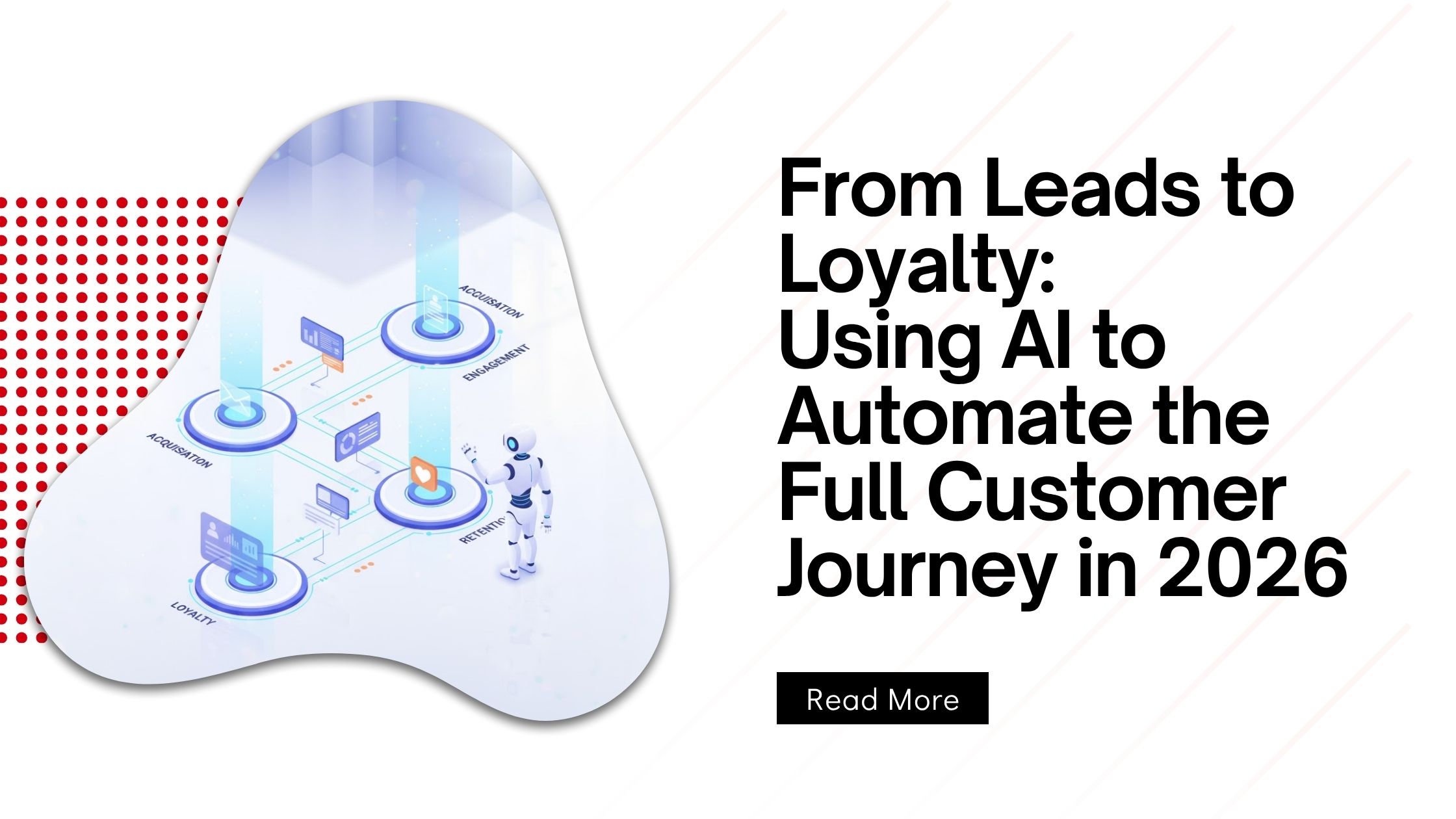
How AI Marketing 2026 Will Transform Customer Journey Automation and Retention
Digital marketing continues to see remarkable shifts as AI transforms the way organizations build relationships with customers. In 2026, customer journey automation powered by advanced AI systems has become an essential strategy for professionals aiming to drive measurable business growth. Moving prospects from first touch to brand advocates demands a blend of precision, real-time insight and seamless cross‑channel engagement. As expectations rise, brands seek new ways to bridge the gap between acquisition and loyalty using AI, unlocking value at every stage of the customer lifecycle.
Understanding Customer Journey Automation in the AI Marketing 2026 Era
Customer journey automation refers to the process of designing, implementing and optimizing each interaction a lead or customer experiences with a brand, using automation tools to deliver consistent, personalized communication. In 2026, AI marketing solutions have matured, making it easier for organizations to chart detailed journeys with precision. AI-powered tools do not simply automate routine messaging, they interpret intent, predict behavior and enable content that resonates at each stage. With customer lifecycles becoming more complex, marketing professionals now rely on automation to deliver timely engagement, enhance conversion and foster retention marketing outcomes.
Mapping the Customer Lifecycle: Touchpoints for Success
Mapping the customer lifecycle involves outlining each critical moment in the journey from lead acquisition through loyalty. AI marketing 2026 solutions now facilitate robust journey mapping that highlights high-impact touchpoints. These may include first contact via a social AD, onboarding sequences through email, ongoing nurturing via personalized content and retention marketing initiatives designed to encourage repeat purchases. Automation lets marketers segment audiences based on actions, channel preferences and pain points. By doing so, campaigns remain relevant and targeted, improving both conversion rates and long-term value.
Acquisition: Intelligent Campaign Tool for Lead Generation
Acquisition in the digital marketplace has never been more competitive. AI-driven Intelligent Campaign Tools evaluate inbound data to identify high-potential prospects across platforms. By leveraging real-time signals, such as site visits, content engagement and social interactions, these tools deliver personalized AD creative, messages and lead magnets to move users further along the funnel. Integration with customer journey automation ensures no lead is left behind, activating consistent touchpoints in cross‑channel marketing strategies. This proactive approach increases the probability of initial engagement and propels leads to the next stage efficiently.
Onboarding: Seamless Integration and First Impressions
Effective onboarding sets the tone for customer relationships. Automated onboarding campaigns through email, chatbots or dynamic landing pages create inviting, informative and frictionless first experiences. AI marketing 2026 platforms use behavioral triggers to deliver relevant content that evolves with each user’s journey, adapting messaging based on real-time interactions or demographic data. By responding instantly to queries, providing timely access to resources and highlighting key features, AI-driven onboarding improves customer satisfaction. As customers experience prompt, customized support, the foundation for loyalty begins to form.
Nurturing: Maintaining Engagement with Automation
The nurture phase is where AI automation shines. With Intelligent Campaign Tools and Digital Dashboards, marketers track how contacts interact with brand assets across social, email and web. Algorithms interpret engagement data to shape the sequence and content of follow-ups. Whether sending relevant case studies, personalized recommendations or invitation-only offers, automation in nurturing ensures leads do not stagnate. This phase is crucial for guiding contacts from interest to qualified opportunities while supporting the customer lifecycle’s continued progression.
Retention Marketing: Building Loyalty at Scale
Retention marketing, long regarded as a cornerstone of sustainable growth, gains new momentum with AI marketing 2026 strategies. Automated retention campaigns use predictive analytics to identify at-risk segments and deliver timely incentives. By linking purchase data, feedback and behavioral insights, platforms can segment loyal customers, re-engage dormant ones and reward advocacy programmatically. Techniques such as automated loyalty programs, anniversary messages or request-for-feedback flows are orchestrated to maintain ongoing value beyond initial transactions. These AI-driven approaches reduce manual workload while increasing lifetime value and fostering deeper connections between brands and their communities.
Cross‑Channel Marketing: Orchestration and Measurement
Cross‑channel marketing has grown more intricate as touchpoints multiply. Automation platforms in 2026 offer centralized orchestration across social, email, web and paid media, managed through unified Digital Dashboards. Professionals can visualize campaign performance, analyze audience journeys and adjust tactics in real time. Automation ensures each interaction complements the last, guiding the customer seamlessly through interest, engagement, purchase and advocacy. Optimizing cross‑channel efforts reduces channel siloes, delivers better experiences and provides actionable insights for continuous improvement. This holistic approach strengthens every stage of the customer lifecycle by ensuring consistency and relevance everywhere it matters.
Live Data and Predictive Measurements
Digital Dashboards have revolutionized measurement for marketing teams. Live data tracking illuminates campaign progress, customer milestones and return on investment. Predictive models offer scenario planning, benchmarking and opportunity identification, allowing adjustments to campaigns before issues manifest. As AI takes over repetitive measurement tasks, professionals access instant feedback, sharper segmentation and deep reporting. This granular visibility drives accountability and empowers teams to make data-driven decisions at every phase of the journey.
How AI Marketing Strategy Empowers Every Customer Phase
Modern AI marketing strategy platforms now enable businesses to plan, execute and optimize campaigns with consultant-level precision. These solutions automate the heavy lifting by building detailed, data‑driven strategies tailored to unique business goals. By aligning marketing calendars, sales objectives and resource planning, professionals maintain clear direction throughout the customer lifecycle. Each touchpoint, from lead capture to advocacy, benefits from AI-driven recommendations based on current data trends and predictive analysis. This integrated approach ensures that strategy and execution remain cohesive, boosting efficiency and keeping campaigns within budget.
Personalization at Scale
Personalization fueled by customer journey automation differentiates leading brands. AI systems ingest contextual signals, such as purchase history or browsing behavior, to craft messages that address individual needs. Automated sequencing of emails, retargeting ads or social posts means each customer encounters the right content at the optimal moment. As scale increases, automation maintains quality without overwhelming internal resources. This reliability helps turn occasional buyers into advocates by consistently exceeding expectations.
Content Automation and SEO Optimization
Content remains central to engagement and retention marketing. AI-powered platforms automate the creation and distribution of blogs, landing pages and thought leadership content, optimizing them for SEO best practices along the way. Automatic keyword benchmarking, internal linking and metadata enhancements improve organic visibility. These optimizations are measurable in the Digital Dashboard and support the broad objectives of marketing automation, customer journey automation and customer lifecycle advancement.
Programmatic Loyalty and Advocacy
Advocacy, fueled by loyalty, forms the final vital stage of the customer lifecycle. Programmatic AI systems orchestrate referral programs, reward schemes and advocacy campaigns without manual touchpoints. By analyzing engagement data, these tools identify superfans, automate recognition and activate multi‑channel campaigns designed to inspire others. Automated satisfaction surveys, tier-based incentives and personalized acknowledgement messages encourage ongoing brand promotion. The result is a reliable, scalable system for converting satisfied customers into vocal advocates, feeding new leads into the top of the funnel and restarting the journey cycle.
Maximizing Value from Customer Journey Automation in 2026
As organizations move toward higher maturity in AI marketing 2026, the ability to automate and personalize touchpoints at every stage will define winners in retention marketing and growth. Embracing customer journey automation is no longer optional, it is now the center of a high-performing marketing function. With platforms powered by intelligent campaign tools, real-time Digital Dashboards and strategic automation, businesses stand ready to accelerate the full journey: From the first spark of interest to lifelong loyalty and advocacy. The beneficial impact will be seen in stronger relationships, better resource management and a clear competitive advantage for forward-looking professionals.