
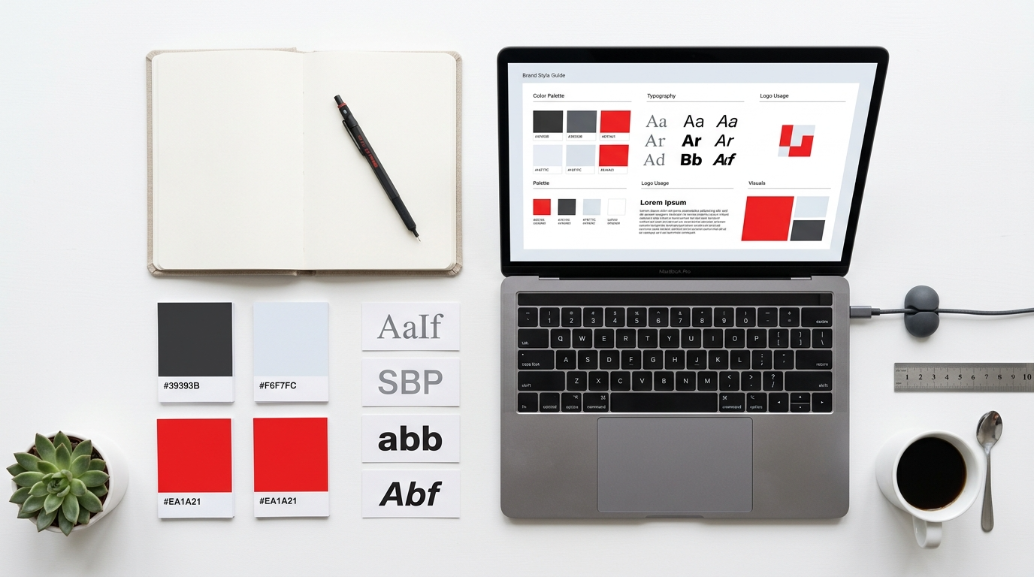
Effective Brand Guidelines for Consistent Marketing
Most small teams juggle the demands of building a recognizable brand while managing tight budgets and limited staff. Brand consistency rarely happens by accident. The strongest brands adopt clear, usable guidelines that every contributor can apply, whether that’s a longtime team member, freelancer, or marketing agency. Yet many small and mid-sized businesses either skip formal guidelines altogether or bury them in lengthy documents that aren’t consulted in everyday work. Effective brand guidelines are practical instructions, not static files, helping anyone make the right decision, quickly, and keeping your brand visible and memorable across all marketing strategies.
Why usable brand guidelines are essential for small teams
Small organizations often rely on individuals who fill multiple roles, creating and approving marketing assets in rapid cycles. Without an actionable reference, even well-intentioned teams see messaging and design drift over time. New hires, outside agencies, and contractors all increase the risk of inconsistency and wasted effort. Building a brand style guide small business teams actually use does not add bureaucracy but cuts down on confusion, fragmented design choices, and loss of marketing impact.
Accessible guidelines enable small teams to scale campaigns, maintain brand consistency in marketing, and adapt content to new channels, even with limited resources. Connecting these guidelines to an AI marketing strategy or integrating them within an AI marketing operations platform further reduces manual review, making consistency easier to achieve even as the business grows or employs more automation.
What to include in a brand guidelines template
A practical brand guidelines template focuses on the elements that matter most for daily marketing and communication. Comprehensive, designer-centric manuals aren’t necessary for small businesses. Concentrate on essentials that directly influence your brand’s appearance and voice:
- Logo usage: Approved logos, clear space, minimum size, background color rules.
- Color palette: List of primary and secondary colors with exact codes and combinations to avoid.
- Typography: Fonts to use online and in print, along with substitutions for special cases.
- Imagery and icons: Preferred image styles, use of filters, types of illustration and iconography, with clear dos and don’ts.
- Brand voice guidelines: Include tone of voice examples for communications such as emails, ads, and social posts.
- Core messaging: Short statements, elevator pitches, approved taglines and value propositions for repeated use.
- Application tips: Brief advice on adapting content to different channels or handling special situations.
- Brand governance: Who is responsible for maintaining, reviewing, and making exceptions to the guidelines.
Extensive sections on merchandise, printed packaging, or intricate sponsorship rules are best left for later growth stages. Prioritize scenarios your team and partners face repeatedly.
Style guide or full brand guidelines: What’s needed and when?
Most small businesses can operate well with a brand style guide, a short, punchy reference of two to ten pages focused on visuals and core voice. Full brand guidelines usually add deeper detail, such as company values, in-depth target personas, and long-form strategy. Begin with a style guide, expanding only as your marketing grows or as more context is required by partners, agencies, or a thorough marketing workshop. Simplicity aids adoption.
Writing actionable brand voice guidelines
Brand voice rules that hinge on broad terms such as “friendly” or “professional” rarely deliver consistency. The most effective brand voice guidelines supplement values or adjectives with actual tone of voice examples. For each core attribute, provide two or three sample communications, a social reply, a customer service response, and perhaps an AD headline. This approach enables new team members, freelancers, and anyone using marketing automation or AI tools to write in a way that feels on-brand without guesswork.
Brand consistency marketing: Keeping your message unified
Maintaining brand consistency is easier when everyone finds one, up-to-date source of truth. Instead of hiding your guidelines in a folder, embed them into daily tools, project management systems, content creation templates, onboarding packets, and your digital marketing dashboard for small business. Link every new campaign or asset back to these rules, especially if AI marketing strategy outputs drive your creative direction. This keeps work aligned and reduces the friction and rework caused by mismatched messaging or visuals.
How to create brand guidelines that get used
Brand guidelines that sit untouched provide little value. They should fit neatly into daily routines. Consider these tactics to make guidelines relevant:
- Write in straightforward language, free of jargon and design excess.
- Prioritize concise, scannable sections, placing summaries and checklists at the top.
- Pair rules with before-and-after examples illustrating what to do, and what not to.
- Host your guidelines in locations already woven into team workflows, like your project tool, AI marketing operations platform, or shared workspace.
- Ask non-designers to review content for clarity, not just thoroughness.
- Reference the guidelines in campaign or content approval steps. Use simple checklists during review.
Brand guidelines for freelancers, agencies and partners
Growth usually means working with people outside your core team. Miscommunication or a misstep can be costly. Share a customized brand identity checklist with every new agency or freelancer, flagging where rules are non-negotiable and where some creative flexibility is okay. Attach guidelines to every project brief. Build updates and clarifications into your marketing workshop onboarding documents so that external contributors remain aligned without repeated meetings or edits.
Guidelines for AI-generated and automated marketing content
Automated content is now common, emails, social posts, ads, and landing pages produced by AI marketing strategy tools or delegated via marketing automation. So, guidelines must clearly specify how tone, design and approval rules apply to AI-generated materials. Highlight which fields need human review (like legal disclaimers or public statements) and which are managed within the AI marketing operations platform. Include examples for automated messages, and embed core brand rules within prompt libraries or automation templates that drive content creation.
Brand governance: Who owns and updates the brand?
Every team needs clear brand governance: Who finalizes rules, grants exceptions and triggers updates. Nominate a single brand owner, founder or marketing lead, tasked with reviewing creative work, handling outside partner questions, and making tough decisions about new channels or unforeseen use cases. Document this structure in your guidelines. Schedule reviews at least once a year or upon major changes to strategy or personnel. A short section on “who to ask” for sign-off reduces confusion as the business expands.
Brand identity checklist for small teams
Keep an up-to-date checklist at the front of your guidelines. A well-crafted brand identity checklist might reference:
- Accessible, correctly formatted logos
- Living color palette (with codes and swatches)
- Official and fallback font choices
- Current messaging, tagline, and value statement templates
- Sample channel-specific visuals and copy
- Clear approval, revision, and exception sign-off points
- Documented last review date and upcoming review schedule
Iterating and improving your brand guidelines
Brand guidelines become valuable assets when they adapt as company needs shift. Encourage feedback from inside and outside contributors: Ask which sections are unclear, which templates streamline work, and where current rules break down, especially regarding AI-generated campaigns. Refresh guidelines quarterly or after substantial changes in marketing strategy. Update all embedded assets in your AI marketing operations platform so all teams use the latest material, not outdated PDFs. Consistent application of sound guidelines protects your brand equity and lets your small team achieve professional marketing outcomes, even on a limited budget or with a distributed workforce.